
It’s October, which means the Major League Baseball (MLB) playoffs are in full swing. Twelve teams qualified for the playoffs based on their regular season performance, and the field is continually winnowed across four rounds that conclude with the World Series at the end of the month.
But, it hasn’t always worked this way. In fact, MLB’s playoff format has been reformed numerous times with the intention of increasing competition in October. (Also, of course, to make more money, but that’s neither here nor there.)
From the first World Series in 1903 through 1968, only two teams made the playoffs. The winner of the American League (AL) and the winner of the National League (NL) faced off in the World Series. The regular season was winner-take-all: A team either finished with the best record in their league, or they went home with nothing to show for it.
In 1969, four teams qualified for the playoffs for the first time, two from each league, as geographical divisions were established. Gone were their days of a team having to have the best record in their entire league to make the playoffs.
In the mid-1990s, the league doubled the number of playoff teams to eight. This coincided with the creation of a third division in each league, and, more interestingly, a “wild card” team in each league. Under this format, the winner of each division qualified for the playoffs, but, in addition, the team in each league with the next best record also made it to October (the “wild card”). Gone were the days of teams having to even win their division to make the playoffs. (Since this time, MLB has added a second wild card in each league in 2012 and then a third in 2022.)
While baseball fans can debate their preferred playoff format, it is clear that expanding the playoffs beyond two teams has increased competition and excitement. More fanbases are engaged as more teams have a chance to win the World Series. Further, very good teams that may have faced bad luck and/or injuries during the regular season can still make the playoffs and have the chance to play to their potential. Crucially, there is little chance that the true best team is locked out.
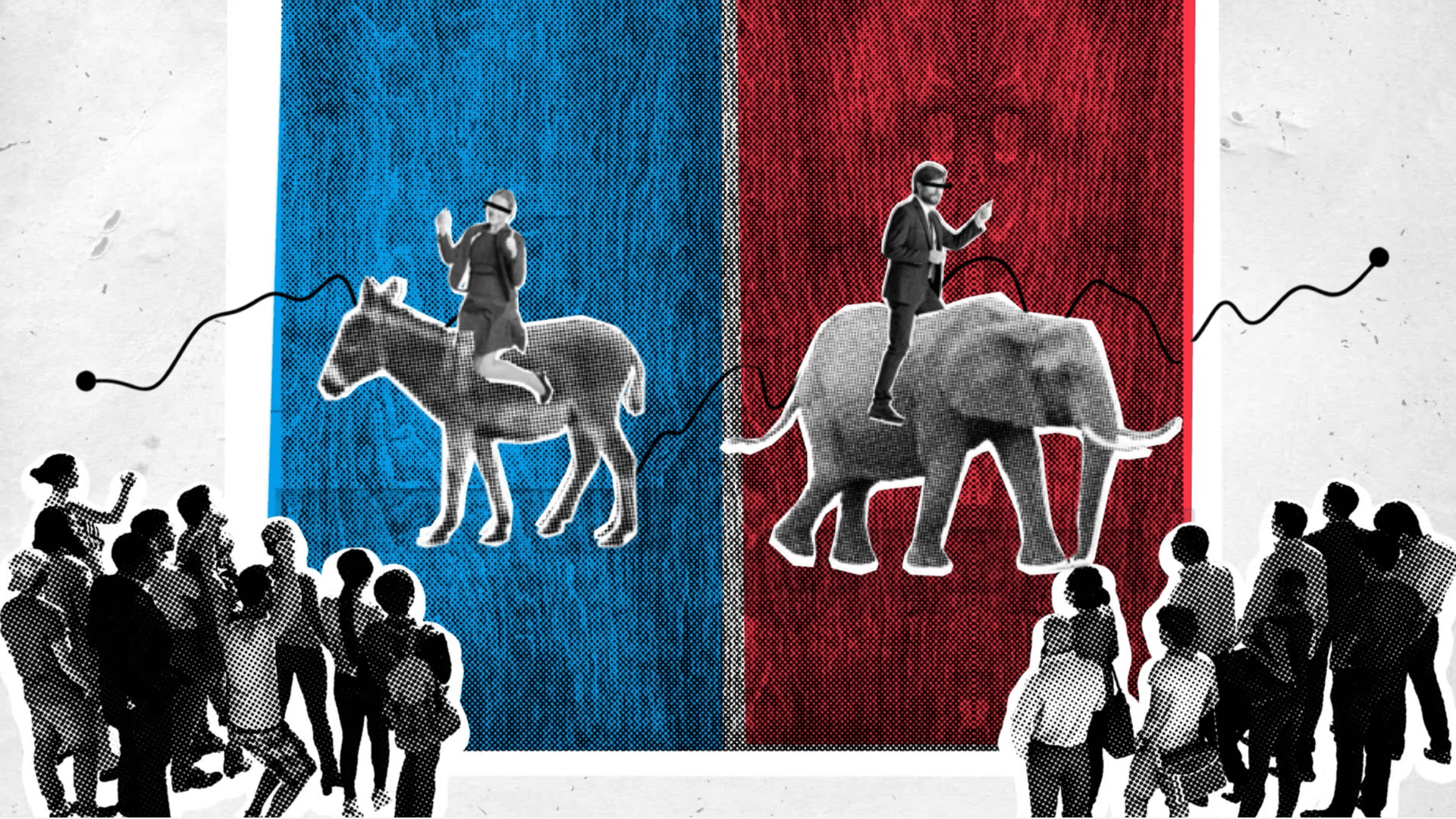
What does any of this have to do with U.S. elections? The current party primary election system that exists in the vast majority of states is actually quite similar to how Major League Baseball was structured prior to 1969. There are two parties (leagues) that first compete among themselves in primaries (the regular season). These are winner-take-all contests, so only the candidate who receives the most votes in each party’s primary advances to the general election (playoffs/World Series) as that party’s nominee (league champion). In the vast majority of states, candidates who lose a party primary are prohibited from entering the general election even as an independent or write-in candidate due to “sore loser” laws. Candidates either win their primary, or they go home.
These restrictive rules to qualify for the general election can weed out potentially strong and representative candidates from even having the chance to compete in November. This is an especially pertinent point given the fact that primary election voters are demographically and ideologically different from most Americans. The system lets a small, unrepresentative slice of voters decide the two major parties’ candidates with no opportunity for intraparty competition or compromise during the stage of the election where most people are paying attention.
Making matters even worse, the vast majority of congressional districts — 87% in 2026 — are uncompetitive in the general election, meaning that the dominant party’s primary effectively decides the winning candidate. This fact makes most U.S. elections significantly less competitive than the MLB playoffs before 1969: In the first 65 World Series, the AL champion won 39 titles or 60%, meaning there was significant competition between the leagues and any given Series had a shot to go either way. In nearly 90% of congressional districts this year, we can already say with near-100% certainty which party’s candidate is going to win. In short, our elections today are in much greater need of added competition than MLB ever was.
How can we get more major party candidates into the general election? One idea is to implement open, all-candidate primaries, which are currently used for congressional offices in Alaska, California, and Washington State. All-candidate primaries permit all registered voters to participate in a single primary election that features all candidates from all parties (and independents). They advance the top finishing candidates to the general election, regardless of their party affiliation. This means that multiple candidates from the same party can face each other in the general election, especially in the “Top Four” version of the system used in Alaska. Under this format, a strong candidate who does not receive the most votes in the primary can still advance to the general election (during which a more representative electorate participates). Much like the American League and National League today, the primary is no longer winner-take-all.
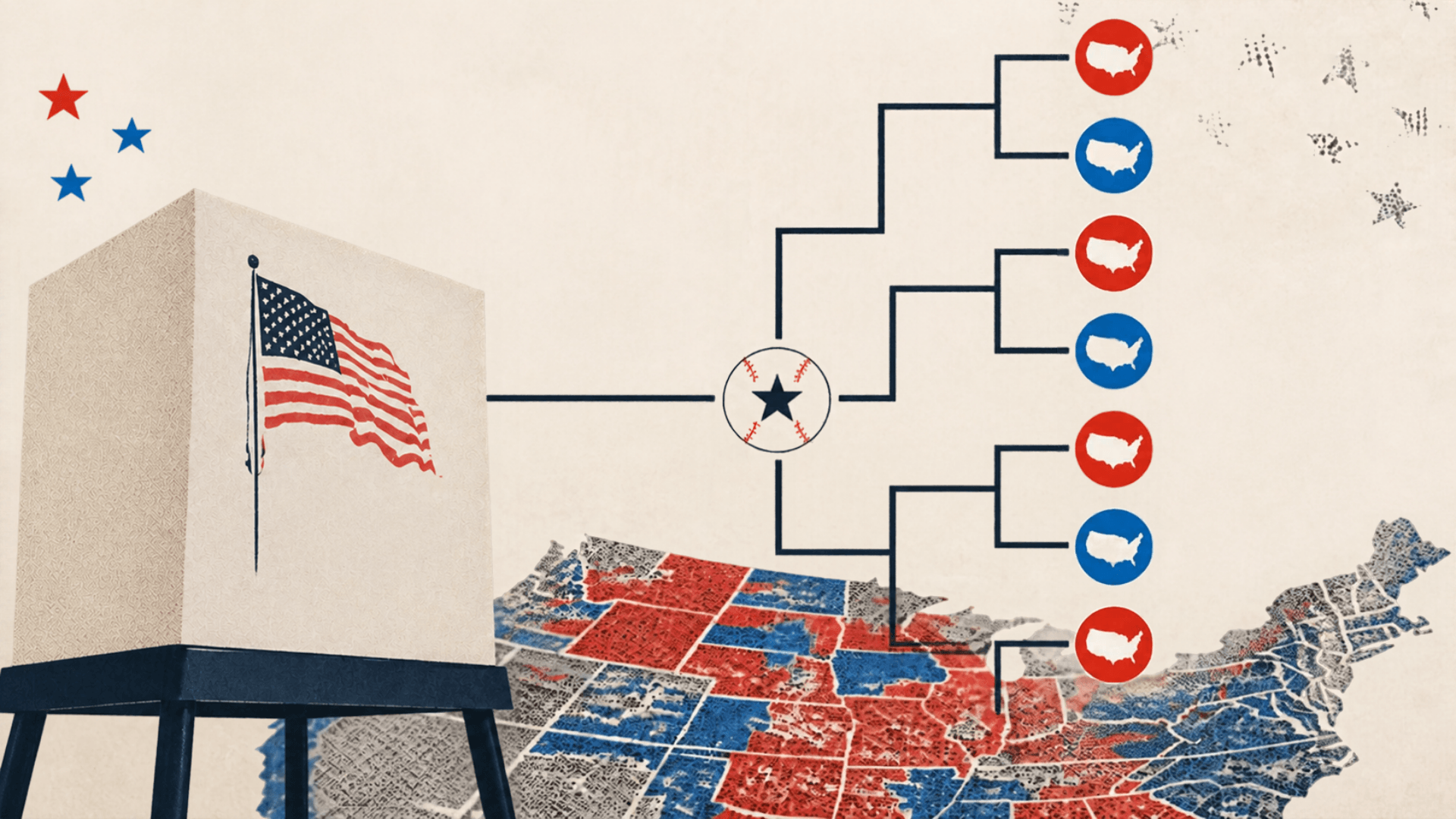
Increasing the number of major party general election candidates doesn’t require abandoning the party primary structure, however. Election reformers could take a page out of MLB’s book and create Democratic and Republican “wild cards” who qualify for the general election.
Here’s one idea of how this could work: The Democratic and Republican primaries take place as they normally do. The candidate who receives the most votes in each party’s primary is declared the party’s nominee and advances to the general election with that designation (as is the case now). However, states could amend their “sore loser” laws, and the candidate who finishes second in each party’s primary could be granted an automatic spot in the general election as a “wild card.” They would not be the party nominee and would not be designated as such; and, perhaps, they would even be listed as independent candidates on the general election ballot (the details of any policy are often state-dependent). Alternatively, there could be just one “wild card,” and only the second place finisher from either party’s primary who received the greatest number of votes would advance to November.
It is possible that advancing three or more viable candidates to the general election may necessitate a change in the general election structure in order to lower the risk of vote splitting and plurality winners. This could be achieved through a runoff (either instant or a separate election), but the particulars of any policy are likely to depend on the specific state in question. Much like MLB has tinkered with the specifics of playoff series (should they be best-of-5, 7, 9?!), states can determine which general election format works best for them. Regardless of the details, the broader point is that states can maintain their existing primary structures, while also expanding competition in the election “playoffs” — the general election — and giving voters more viable choices.
Overall, there is a crisis of competition in modern U.S. elections, and all ideas should be on the table to address it. Perhaps election reformers would do well to follow in the path of another quintessentially American institution and expand who is eligible to compete in the most important part of election season.

Stay up-to-date on the latest news and resources from Unite America.